Celebrating Feminists’ Voices, Inspiring Global Peace

سوريات يتحدثن عن اشمال النساء في مسارات السلام

14 November 2019

“ألم ليكن مدهشاً لو صدقت الدول حول السبب الحقيقي الكامن خلف عدم قدرة النساء في سوريا على المشاركة الفعلية 

 في مسارات وآليات السلام؟”  

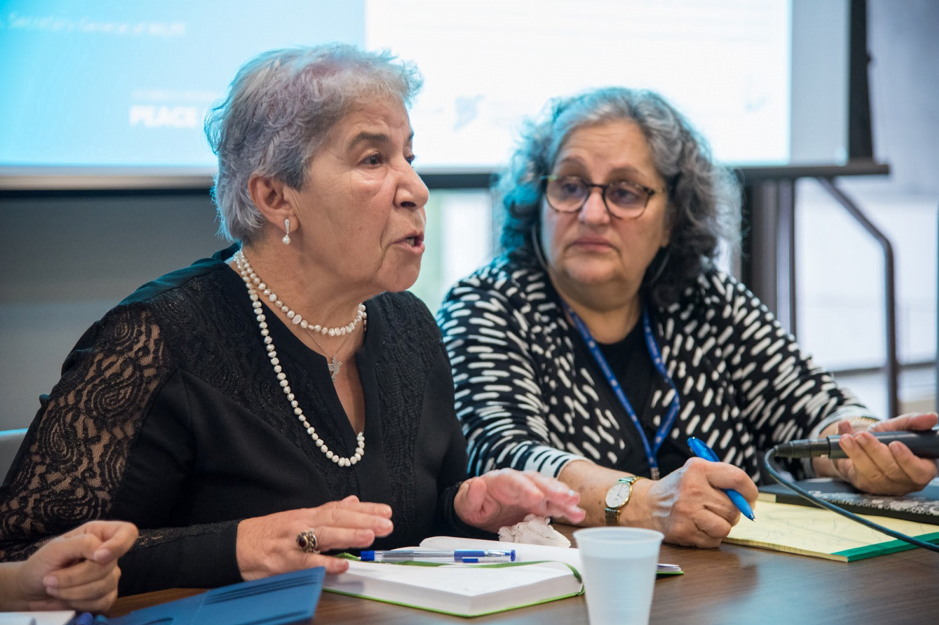
هكذا افتتحت الأمينة العامة لرابطة النساء الدولية للسلام والحرية الجلسة الحوارية حول المشاركة السياسية للنساء في سوريا على هامش انعقاد جلسة مجلس الأمن حول النساء والأمن والسلام في نيويورك الشهر الفائت.  

كم يبدو السؤال بسيطاً، لكن السياسيين والمسؤولين في الأمم المتحدة ما فتئوا يراوغون، ويجترحون الوعود الفارغة أو يلجؤون إلى تكريس مشاركة شكلية للنساء في هذه المسارات.  

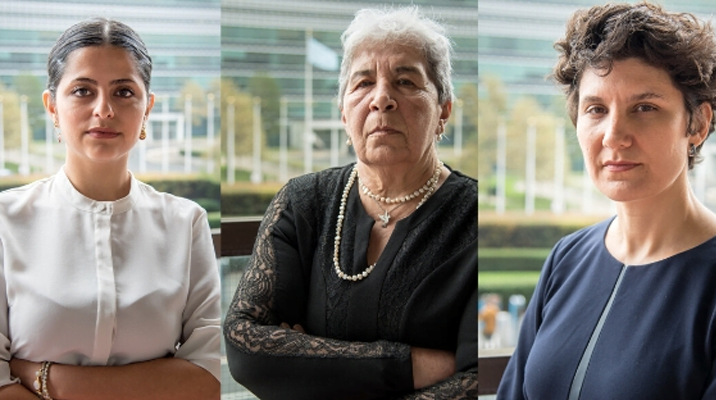
هذا المقال عن ثلاث نساء من سوريا حاولن الإجابة عن هذا السؤال بطريقتهن ومن وجهة نظرهن. 

فدوى محمود
تصوير: مناف عزام

“كنت جزءاً من اللجنة الاستشارية في مسار المفاوضات منذ العام ٢٠١٦، وكان من المفترض بي تمثيل النساء السوريات في هذا المسار. كنا حينها ١٢ امرأة في اللجنة الاستشارية، والتي كانت تقع تحت مظلة الهيئة العليا للمفاوضات السورية. والسؤال الذي يطرح نفسه، ما هو الدور الذي لعبته النساء في لجنة المفاوضات هذه؟ الجواب، لا دور يذكر على الإطلاق”.  

تم أخذ زوج وإبن فدوى من قبل النظام السوري لدى عودتهم من مؤتمر حول السلام في الصين في العام ٢٠١٢. تلقت فدوى اتصالاً هاتفياً منهم يطمئنونها بأنهم في طريقهم إلى المنزل عائدين من مطار دمشق. منذ ثمان سنوات، وفدوى لا تزال تنتظر وصولهم إلى المنزل، وتنتظر سماع خبراً منهم أو عنهم.  

فدوى، الناشطة السياسية والمعتقلة السابقة في ظل النظام الأسدي نفسه في تسعينات القرن الماضي، لم تتخلّ يوماً عن البحث عن أحبائها وعن أجوبة عن اختفائهم قسراً.  

فدوى وغيرها من السيدات السوريات أسسن “عائلات من أجل الحرية”، ذلك التجمع الذي يضم الأسر السورية التي تطالب بالإفراج عن جميع المعتقلين السوريين والمخفيين قسراً في السجون في سوريا.  

الاعتقال والاختفاء القسري في سوريا وباء مستفحل. هي أداة استخدمها ويستخدمها النظام لاستنزاف إرادة الناس في المقاومة، ولإفقادهم/هن الأمل وإضعاف عزيمتهم/هن.

لكن فدوى تعمل بلا هوادة، مكرسّة حياتها ونضالها من أجل قضية المعتقلين/ات والمخفيين/ات قسراً. 

“حين دعيت للمشاركة في الهيئة التفاوضية العليا، كان الحل أشبه بالضمادة؛ ناقش المجتمعون، خلف الأبواب المغلقة، الكثير من الشروط، لكن أحداً لم يسمح لي طرح قضية المعتقلين والمفقودين قسراً. وجودنا كنساء في تلك الهيئة لم يعدو عن كونه اجراءَ شكلياً أقنع به القيمون على ذلك المسار حينها أنفسهم بأنهم هكذا يقومون ’بإشراك‘ النساء”. 

تحمّل فدوى الأمم المتحدة مسؤولية إقصاء النساء، مشيرة إلى فشلها في الإصرار والسعي الجديين لإشراك النساء. “توقعت أن تكون المنظومة الذكورية والأبوية في سوريا معارضة لإشراك النساء. لكن ما هالني هو أن الأمم المتحدة نفسها لم تصّر أو تعمل على تفعيل حق النساء بالمشاركة بشكل جدي”. 

“أشعر أن كل جهودي بلا جدوى. حين أجتمع بالنواب الأوروبيين، أشعر بتعاطفهم مع قضيتي حين أكون معهم، لكن كل ذلك يذهب هباءً. لم أستطع بعد الحصول على نتائج فعلية للاجتماعات التي قمت بها. الكل يؤكد دعمه لحقوق الإنسان وحمايتها، لكن حين يصل الأمر إلى سوريا، تصبح الأمور مجرد وجهات نظر”. 

سناء مصطفى

تصوير: مناف عزام

“حددنا وما زلنا نحدد نحن النساء شكل الاحداث على الأرض في سوريا ولكننا لسنا جزءاً من أي مفاوضات تتم عن حاضر او مستقبل سوريا”. هكذا بدأت سناء مصطفى، عضوة في الحركة السياسية النسوية السورية، مداخلتها في محاولة الإجابة عن أسباب القصور في المشاركة الفعلية والحقيقية للنساء السوريات في مسارات السلم. 

انبثقت الحركة السياسية النسوية السورية كرد فعل على الإحباط الناتج  من الإقصاء الممنهج بحق النساء من طاولة المفاوضات.

لعبت النساء السوريات دوراً حاسماً خلال الثورة على نظام الأسد وفي الجهود الوسيطة للتصدي للعقلية المتطرفة التي تلت الهجمات الهمجية على الثائرات والثوار السلميات/ين؛ يجب ان يكن النساء جزءاً أساسيا في مفاوضات السلام. 

تنتمي سناء إلى أسرة معارضة، هالها ما قام به النظام الأسدي، فثارت على الظلم.  اعتقل والد سناء في سنة ٢٠١٢ من قبل الجهاز الأمني – الاستخباراتي التابع لنظام الأسد، فاضطرت سناء وعائلتها ترك سوريا واجبروا على  اللجوء إلى بلدان مختلفة. وما زال والد سناء مختفياً من دون أي أثر وسناء وأفراد أسرتها في الشتات.

تتحمل  النساء في سوريا الوزر الأكبر خلال الحروب التي  ينشئها الرجال ونادراً ما يتم مشاركتهن في سياق المفاوضات للوصول الى حلول مستدامة. 

“تبقى المحاولات لإشراكنا مجرد جهود رمزية، ويتوقع منا أن نكن ممتنات للمحاولات الشكلية لتمثيلنا، ولكنه ليس تمثيلاً كافياً.”

وتحدثت سناء عن الاستثناءات التي تُمنح للرجال بالنسبة للمؤهلات والشروط التي تخولهم  الجلوس على طاولة المفاوضات؛ أما النساء، ففي خضم معاناتهن في مواجهة التحديات الهيكلية التي تعيق مشاركتهن، عليهن بذل جهود مضاعفة ليس للوصول إلى طاولة المفاوضات فحسب، بل ليبرهن عن قدرتهن و”أهليتهن” لذلك. 

سلمى كحالة

تصوير: مناف عزام

لم يكن هناك نقص في عدد النساء العاملات في سوريا على الأرض خلال الثورة. لعبت النساء دوراً اساسياً منذ البداية حيث كن يدرن  مجلسا الادارة للتنسيقيات المحلية. وحتى قبل الثورة كانت النساء الأكثر نشاطاً في المنظمات المدنية في المجال البسيط الذي كان العمل فيه متاحا، واستمر عملهن بقوة بعد الثورة. 

“لا تزال النساء في سورية في الصفوف الأمامية للاستجابة لاحتياجات الناس على الأرض؛ لا زلن يعملن لمساعدة الضحايا،  و لانتاج إعلام حقيقي عن الوضع الداخلي في سورية”، ترى سلمى كحالة، المديرة التنفيذية لمنظمة دولتي، والتي تعنى بتحقيق وتكريس عدالة انتقالية ديموقراطية في سوريا، بأن الجهود لإشراك النساء  [بالمفاوضات] كانت مجرد إضافات شكلية لمفاوضات السلام بدلا عن الجهود لإشراكها بشكل فعال والبناء على دورها الفعلي والقيادي الميداني وبشكل يساعد على بلورة العملية السلمية. 

إن انضمام النساء ليس مهما لهن كأشخاص فقط بل لأن لهن الحق بان يكن متواجدات في هذه المسارات. إن أي مقاربات شمولية لطرح حلول مستدامة غالباً ما تطرحها النساء. النساء هن اللواتي يجلبن إلى طاولة المفاوضات القضايا المهمة ويطرحن حقوق الأقليات والمهمشين.  لا سلم ولا عدالة مستدامة في سوريا من دون إشراك النساء

عمليات السلام 

اكثر من خمس عشرة محاولة حتى الآن لتحقيق السلام في سوريا، ولم تنجح أي منها بإشراك النساء بشكل فعلي.  تعب السوريون والسوريات من استخدامهم/هن كأحجار في رقعة شطرنج عرابوها روسيا والصين وإيران وأمريكا وفي ظل مصالح  جيو-سياسية شائكة.

النساء السوريات يردن إسماع أصواتهن. ومن دون مشاركتهن لن يتحقق سلام حقيقي أو فعلي  في سوريا. أدركت النساء السوريات الآن أن انتظار الأمم المتحدة والمتفاوضين لإشراكهم بشكل فعال هو تماماً كمن ينتظر وصول  غودو.   

النساء السوريات يقمن بالتنظيم  العمل على التغيير عبر خلق حركة حقيقية تضمن إشراكهن في هذه السياقات. 

Share the post

Matt Mahmoudi

Matt Mahmoudi (he/him) is a lecturer, researcher, and organizer. He’s been leading the “Ban the Scan” campaign, Amnesty International’s research and advocacy efforts on banning facial recognition technologies and exposing their uses against racialized communities, from New York City to the occupied Palestinian territories.

Berit Aasen

Europe Alternate Regional Representative

Berit Aasen is a sociologist by training and has worked at the OsloMet Metropolitan University on Oslo. She has 40 years of experience in research and consultancy in development studies, including women, peace, and security, and in later years in asylum and refugee studies. Berit Aasen joined WILPF Norway five years ago. She is an alternate member of the National Board of WILPF Norway, and representing WILPF Norway in the UN Association of Norway, the Norwegian 1325 network and the Norwegian Women’s Lobby. Berit Aasen has been active in the WILPF European Liaison group and is committed to strengthening WILPF sections and membership both in Europe and relations across continents.

Your donation isn’t just a financial transaction; it’s a step toward a more compassionate and equitable world. With your support, we’re poised to achieve lasting change that echoes through generations. Thank you!

Thank you!

Melissa Torres

VICE-PRESIDENT

Prior to being elected Vice-President, Melissa Torres was the WILPF US International Board Member from 2015 to 2018. Melissa joined WILPF in 2011 when she was selected as a Delegate to the Commission on the Status of Women as part of the WILPF US’ Practicum in Advocacy Programme at the United Nations, which she later led. She holds a PhD in Social Work and is a professor and Global Health Scholar at Baylor College of Medicine and research lead at BCM Anti-Human Trafficking Program. Of Mexican descent and a native of the US/Mexico border, Melissa is mostly concerned with the protection of displaced Latinxs in the Americas. Her work includes training, research, and service provision with the American Red Cross, the National Human Trafficking Training and Technical Assistance Centre, and refugee resettlement programs in the U.S. Some of her goals as Vice-President are to highlight intersectionality and increase diversity by fostering inclusive spaces for mentorship and leadership. She also contributes to WILPF’s emerging work on the topic of displacement and migration.

Jamila Afghani

VICE-PRESIDENT

Jamila Afghani is the President of WILPF Afghanistan which she started in 2015. She is also an active member and founder of several organisations including the Noor Educational and Capacity Development Organisation (NECDO). Elected in 2018 as South Asia Regional Representative to WILPF’s International Board, WILPF benefits from Jamila’s work experience in education, migration, gender, including gender-based violence and democratic governance in post-conflict and transitional countries.

A woman in a blue, black, and white dress smiles radiantly in front of a leafy green background.

Sylvie Jacqueline Ndongmo

PRESIDENT

Sylvie Jacqueline NDONGMO is a human rights and peace leader with over 27 years experience including ten within WILPF. She has a multi-disciplinary background with a track record of multiple socio-economic development projects implemented to improve policies, practices and peace-oriented actions. Sylvie is the founder of WILPF Cameroon and was the Section’s president until 2022. She co-coordinated the African Working Group before her election as Africa Representative to WILPF’s International Board in 2018. A teacher by profession and an African Union Trainer in peace support operations, Sylvie has extensive experience advocating for the political and social rights of women in Africa and worldwide.

WILPF Afghanistan

In response to the takeover of Afghanistan by the Taliban and its targeted attacks on civil society members, WILPF Afghanistan issued several statements calling on the international community to stand in solidarity with Afghan people and ensure that their rights be upheld, including access to aid. The Section also published 100 Untold Stories of War and Peace, a compilation of true stories that highlight the effects of war and militarisation on the region. 

IPB Congress Barcelona

WILPF Germany (+Young WILPF network), WILPF Spain and MENA Regional Representative

Lorem ipsum dolor sit amet, consectetur adipiscing elit. Mauris facilisis luctus rhoncus. Praesent eget tellus sit amet enim consectetur condimentum et vel ante. Nulla facilisi. Suspendisse et nunc sem. Vivamus ullamcorper vestibulum neque, a interdum nisl accumsan ac. Cras ut condimentum turpis. Vestibulum ante ipsum primis in faucibus orci luctus et ultrices posuere cubilia curae; Curabitur efficitur gravida ipsum, quis ultricies erat iaculis pellentesque. Nulla congue iaculis feugiat. Suspendisse euismod congue ultricies. Sed blandit neque in libero ultricies aliquam. Donec euismod eget diam vitae vehicula. Fusce hendrerit purus leo. Aenean malesuada, ante eu aliquet mollis, diam erat suscipit eros, in.

Demilitarisation

WILPF uses feminist analysis to argue that militarisation is a counter-productive and ill-conceived response to establishing security in the world. The more society becomes militarised, the more violence and injustice are likely to grow locally and worldwide.

Sixteen states are believed to have supplied weapons to Afghanistan from 2001 to 2020 with the US supplying 74 % of weapons, followed by Russia. Much of this equipment was left behind by the US military and is being used to inflate Taliban’s arsenal. WILPF is calling for better oversight on arms movement, for compensating affected Afghan people and for an end to all militarised systems.

Militarised masculinity

Mobilising men and boys around feminist peace has been one way of deconstructing and redefining masculinities. WILPF shares a feminist analysis on the links between militarism, masculinities, peace and security. We explore opportunities for strengthening activists’ action to build equal partnerships among women and men for gender equality.

WILPF has been working on challenging the prevailing notion of masculinity based on men’s physical and social superiority to, and dominance of, women in Afghanistan. It recognizes that these notions are not representative of all Afghan men, contrary to the publicly prevailing notion.

Feminist peace​

In WILPF’s view, any process towards establishing peace that has not been partly designed by women remains deficient. Beyond bringing perspectives that encapsulate the views of half of the society and unlike the men only designed processes, women’s true and meaningful participation allows the situation to improve.

In Afghanistan, WILPF has been demanding that women occupy the front seats at the negotiating tables. The experience of the past 20 has shown that women’s presence produces more sustainable solutions when they are empowered and enabled to play a role.