
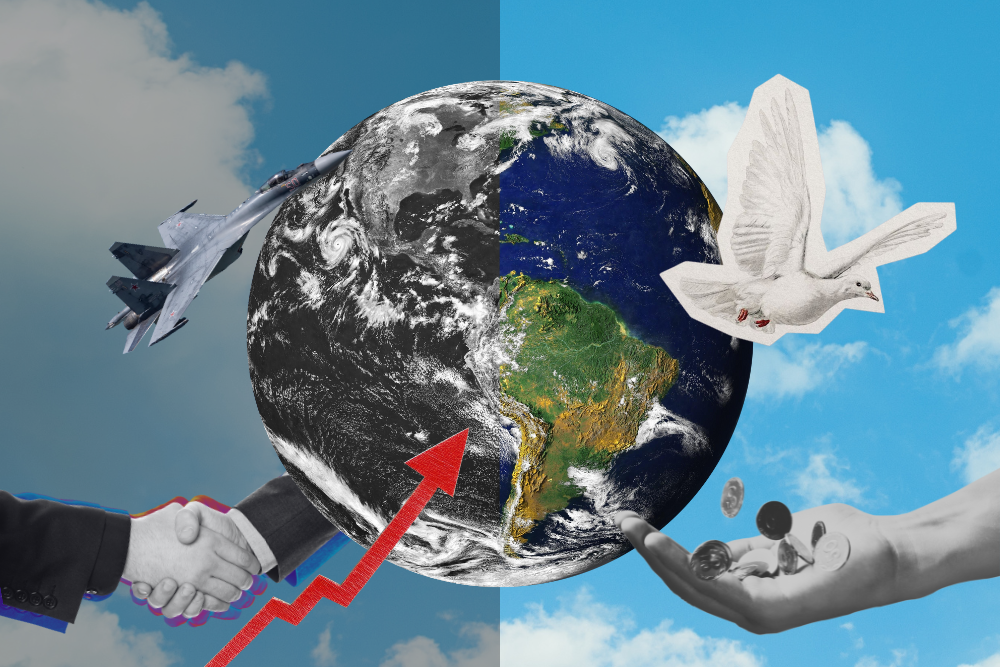
On this International Day of Peace, I am reminded of a fundamental truth: we have already learned that more weapons and militarised budgets do not make us safer, and do not build peace. We have learned this lesson over and over again, and still today we find ourselves repeating history.
But we have also learned what does create peace: inclusive communities who are empowered to act, women leading at every decision-making level, and committed peacebuilders who transform crises into opportunities for dialogue, ceasefires, and humanitarian relief.
Across the world, WILPF partners have demonstrated this: brokering local ceasefires where national agreements failed, coordinating humanitarian corridors in conflict zones, and sustaining dialogue across communities in Palestine and Bosnia.
We know what works: inclusive and sustainable peace requires dismantling the root causes of war and militarism while placing women’s leadership at the center.
Since the adoption of UN Security Council Resolution 1325 in 2000, governments have promised to include women in peace and security. Over 100 countries have created National Action Plans. Yet too often, these commitments remain symbolic: women are invited to the table but lack real influence; funding flows to militarised responses rather than grassroots peacebuilding; and local women’s organisations struggle to survive.
This is not merely an implementation gap, it is structural. Militarism, patriarchy, and political neglect continue to block transformative change. When women lead, crises can be turned into opportunities. Across the world, WILPF partners have brokered local ceasefires where national agreements failed, coordinated humanitarian relief where official negotiations broke down, and sustained dialogue across communities under occupation or conflict. These are not anecdotes — they are proof that women’s leadership is not optional, it is fundamental to sustainable peace.
Yet today, governments continue to claim there is “no money” for peace, while military budgets reach record levels. Every dollar spent on weapons is a dollar stolen from human rights, equality, climate action, and community resilience. The choice before us is urgent and clear: we can continue funding destruction, or we can invest in life, equality, and justice.
This is why WILPF is launching our global advocacy campaign, Move the Money. It is a call to divest from militarism and reinvest in peace, care, and justice. It is a demand that resources match our aspirations for a world free of violence and oppression. Through advocacy, mobilisation, and collective action, we are bringing together members, allies, and partners worldwide to shift priorities — from war to life.
You can act today:
- Visit the campaign page: Move the Money
- Mobilise your community using our campaign toolkit
- Raise your voice online and offline. Every action, every movement, every demand matters
On this Peace Day, my message is simple: Peace cannot be funded with pennies. Governments must redirect resources from militarisation to human rights, equality, and feminist leadership. And to everyone reading this: you are not powerless. Together, through collective action and solidarity, we can ensure that women’s leadership, inclusive partnerships, and feminist visions of peace guide the world we build.
Peace is not a luxury. It is a necessity. It’s time to move the money.


